Elevator Maintenance 101: What Building Owners Can Do Between Service Visits
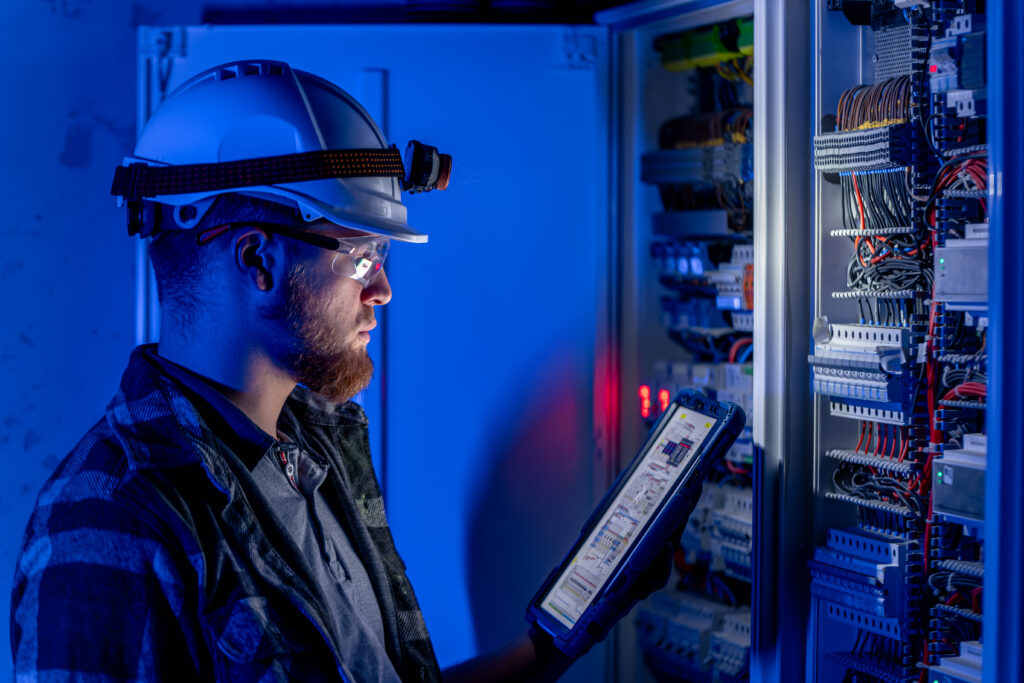
Elevators are an important part of commercial buildings, offices, hotels, and healthcare facilities. They are the most used means of vertical transportation in buildings to move people or heavy stuff. They require regular maintenance to avoid any mishaps and ensure safety and reliability.
Finding minor issues early prevents costly emergency repairs and unexpected downtime. Building owners and property managers play an integral role in scheduled service visits by supervising performance, recording issues, and reporting concerns.
Why Elevator Maintenance Requires Attention Between Visits
Even with a professional service plan in place, routine observation by building staff is important. Daily use can expose changes in door operation, ride smoothness, and system response time. Warning signs may develop between scheduled inspections, which should be immediately reported. This allows technicians to investigate and resolve issues before they turn into major breakdowns.
Consistent monitoring at regular intervals supports individual safety, reduces avoidable downtime, and helps protect the building’s equipment.
4 Things Building Owners Can Do Between Service Visits
Pay Attention to the Elevator Performance
Building owners should observe whether the elevator starts, stops, and travels smoothly. Catching minor issues, like turbulence, unusual shaking, grinding sounds, or unexpected delays early prevents major breakdowns or sudden failures.
To properly monitor elevator performance and address warning signs, building owners and property managers should take the following steps:
- Monitor the ride quality of the elevator
- Contact technicians to report warning signs
- Do not ignore these issues, as avoiding them can lead to major issues.
Keep Elevator Entrances and Surrounding Areas Clear
Any items like boxes and carts around the entrance may create tripping hazards and restrict the smooth exit and entry of people, which can lead to overcrowding or delays. These obstructions, when left too close to the doorway, can also interfere with electrical safety edges or mechanical door sensors, causing doors to repeatedly open, fail to close fully, or reverse unexpectedly, messing with the elevator timing. Building owners should make sure that hallways, elevators, and access areas are free from any interference.
To avoid cluttering, building owners and property managers should take the following steps:
- Clear property policies should also be established.
- Storage or temporary placement of items should be prohibited in common corridors, emergency routes, and elevator lobbies.
- A designated zone for loading and staging should be set up, and items should never be left directly in front of the doors.
Check Visible Safety Features and Report Concerns
Damaged buttons, missing indicators, or any other visible issues with emergency communication equipment should not be ignored. These damages may compromise passengers’ safety and response capabilities during an emergency.
To address these faulty components, building owners and property managers should follow these steps:
- Report the elevator maintenance company or repair technician.
- Do not try to adjust or repair safety devices, control panels, or communication systems yourself.
- Restrict the access if critical safety features or communication links are severely damaged or completely non-functional.
Keep a Record of Issues and Service Visits
Record the date, time, location, and symptoms of a problem. This helps technicians spot serious malfunctions or failing parts that require permanent fixes. Keep track of complaints from tenants or staff about the elevator problems. Capturing these minor issues early may help technicians understand whether they keep coming back and prevent expensive emergencies or unexpected system downtime.
Property managers can keep these records by:
- Recording the specific time and date when a problem occurred.
- Noticing recurring faults or electrical issues.
- Keeping maintenance records, inspection reports, and repair history accessible in one place.
What Building Owners Should Never Attempt
Not every elevator problem can be fixed with quick adjustments. Attempting temporary fixes and leaving elevator issues unresolved can put passenger safety at risk and lead to more serious problems.
Building owners should never bypass safety features or try to release trapped passengers themselves. If someone gets stuck inside, use the elevator emergency communication system to contact assistance. Follow the building’s emergency procedures and wait for specialized professionals to handle situations.
Elevator Technician: When Should You Call?
Some elevator issues require immediate attention. Don’t wait for the next scheduled service visit. Alert an elevator technician when you see the following:
- Noises or movement that are unusual
- Doors that do not work properly
- Floor uneven
- Controls that are dead or keep shutting down
- Emergency communications gear problems
In addition to these, property managers should also follow the safety procedures of the building and keep the elevator out of service when needed depending on the severity of the issue and professional advice.
How General Elevator Solutions Can Help You
While building owners play an important role in monitoring elevator performance, professional maintenance is essential when technical issues appear and reliable operation is required.
General Elevator Solutions provides elevator maintenance and repair services for different types of elevators, helping commercial property owners maintain their equipment. We provide services such as lubrication, inspecting worn components, making necessary adjustments, and addressing repair needs. Our goal is to identify potential problems and keep elevator systems operating. We also offer 24/7 emergency elevator service when unexpected issues arise.
Contact General Elevator Solutions to discuss your building’s elevator needs and schedule repair service when needed.