Elevator Maintenance Requirements for Commercial Buildings in Clearwater, FL
In commercial buildings, elevator systems are used heavily, especially in busy cities like Clearwater, FL. Throughout the day, people in office buildings, hotels, healthcare facilities, and retail centers rely on elevators to go from one floor to another. This frequent usage makes it important to do regular maintenance and inspections on these complex machines. For building owners and property managers, it’s vital to understand elevator maintenance requirements to ensure that their elevators comply with Florida laws. Let’s understand the key maintenance requirements for commercial elevators in Clearwater, FL.
Elevator Regulations in Florida
In Florida, elevator safety is regulated by the Florida Department of Business and Professional Regulation (DBPR) through the Bureau of Elevator Safety. This department oversees inspections, licensing of elevator contractors, and enforcement of safety regulations.
The region adheres to the ASME A17.1 Safety Code for Elevators and Escalators, along with the requirements outlined in the Florida Building Code. These rules establish clear standards for installation, maintenance, repairs, and inspections.
Only certified technicians and licensed elevator contractors are allowed to perform maintenance and repairs on these complex machines. This is why building owners must only choose qualified professionals to ensure full compliance with state regulations and laws.
Required Elevator Inspections
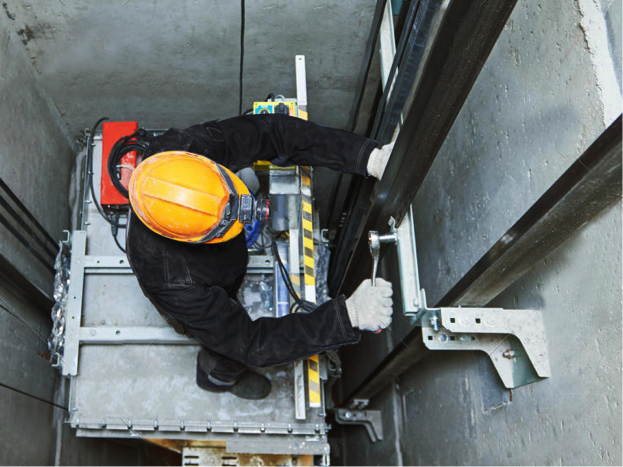
Commercial elevators in Florida must be inspected annually by a certified, qualified elevator inspector. These inspections help ensure that the elevator is operating safely and meets all the established safety standards. During the inspection, technicians evaluate door safety systems and interlocks, brakes, electrical wiring, emergency communication systems, elevator cables and pulleys, and fire service features. If an elevator doesn’t pass the inspection, it’s essential to get the issues corrected and the elevator re-inspected before it’s allowed to continue operating.
Safety Testing Requirements
Other than annual inspections, Florida elevators also need to undergo specific safety tests to verify performance. Category 1 (CAT1) tests are conducted every year and focus primarily on checking safety devices, door operation, and braking systems. Category 5 (CAT5) tests are conducted every five years and involve a full load test to confirm that the elevator is capable of safely carrying its rated capacity. These tests need to be performed by a licensed elevator professional and properly documented to maintain regulatory compliance.
Certificate of Operation
Once the commercial elevator passes inspection, the state issues a certificate of operation. This certificate has to be posted inside the elevator cab to confirm that the elevator is approved for use. The certificate should be renewed annually. In case it expires or goes missing, hefty fines may be levied, or the elevator may be taken out of service temporarily until compliance is restored.
Preventive Maintenance for Commercial Elevators
Under Florida laws, inspections and testing need to be conducted periodically, but routine preventive maintenance is just as important. Regular visits from licensed technicians can help catch small problems early before they worsen. Usually, maintenance plans include lubricating moving parts, checking door sensors and alignment, inspecting cables, testing brakes and controls, and checking proper floor leveling.
In commercial buildings with heavy foot traffic, elevators may require monthly maintenance plans, while buildings with low foot traffic may require quarterly services. Coastal regions like Clearwater have humid and salty air that accelerates wear on elevator components, making regular preventive maintenance essential.
Accessibility and Modernization Requirements
Commercial elevators have to comply with the Americans with Disabilities Act (ADA) accessibility standards. These requirements mention the need for features like Braille buttons, audible floor indicators, accessible control panel heights, and emergency communication systems. If the elevator is old and doesn’t meet these requirements, modernization upgrades may have to be made. Replacing components or updating systems can help elevators meet current safety codes and also improve reliability, safety, and energy efficiency.
Contact General Elevator Solutions for commercial elevator maintenance in Clearwater, FL. Our team can help create personalized maintenance plans to ensure your elevators remain in compliance and continue to perform efficiently.