
Elevator Maintenance 101: What Building Owners Can Do Between Service Visits
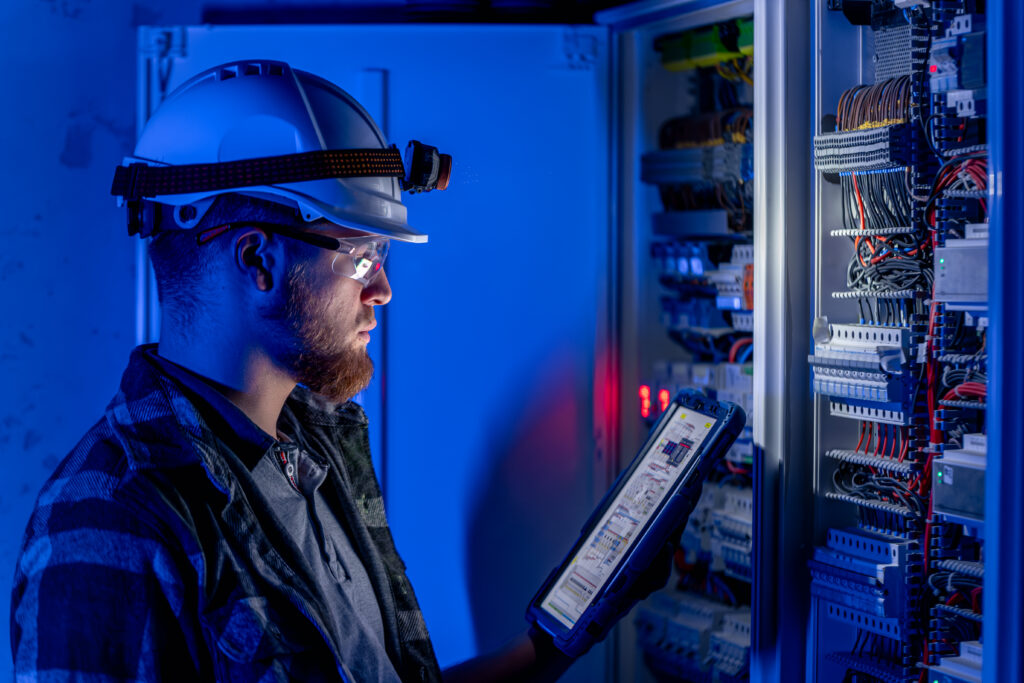
A commercial elevator rarely goes completely broken without giving signs. Slow doors, odd noises, repeated service calls, or longer downtime can signal that your maintenance plan no longer matches the elevator’s condition or workload. For property managers, spotting these changes early is easier than explaining an unexpected shutdown to tenants, customers, or employees. Here are 10 warning signs your maintenance plan needs an update.
10 Warning Signs Your Commercial Elevator Maintenance Plan Needs an Update
A commercial elevator rarely goes completely broken without giving signs. Slow doors, odd noises, repeated service calls, or longer downtime can signal that your maintenance plan no longer matches the elevator’s condition or workload. For property managers, spotting these changes early is easier than explaining an unexpected shutdown to tenants, customers, or employees. Here are 10 warning signs your maintenance plan needs an update.
How Fast Commercial Elevator Repair Can Minimize Downtime for Your Business

An out-of-service elevator can disrupt the daily functioning of an entire building. Employees may lose time, customers become frustrated, deliveries slow down, and accessibility becomes a concern. For businesses that rely on elevators every day, fast commercial elevator repair helps keep operations moving safely and efficiently.
Elevator Repair vs. Modernization: What Clearwater Property Owners Need to Know
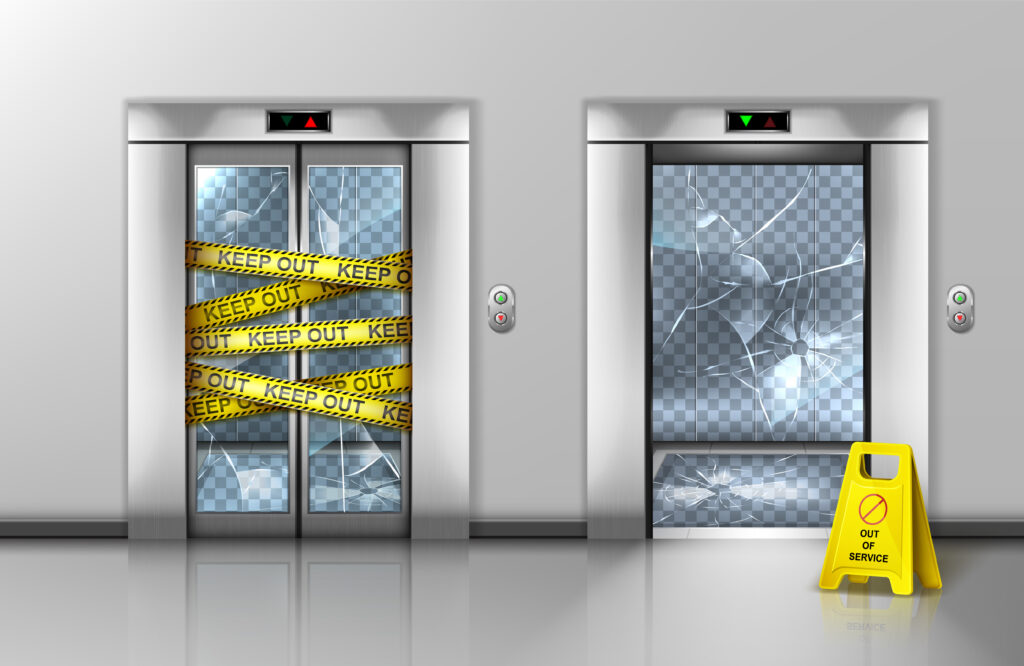
Elevators play an important role in any commercial building that handles large numbers of people every day. People often depend on them for daily transportation, and even a small malfunction can cause delayed meetings, missed appointments, or serious safety concerns.
For building owners and property managers, elevator reliability is about more than convenience because it affects accessibility, tenant satisfaction, safety, and day-to-day operations.
Elevator Repair vs. Modernization: What Clearwater Property Owners Need to Know
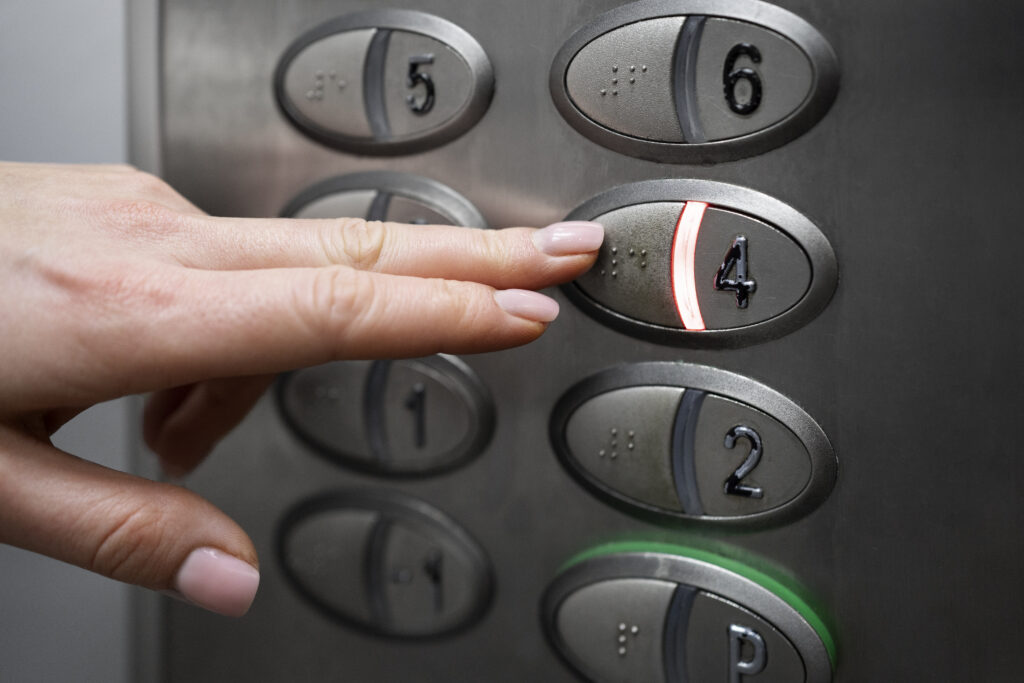
Elevators play an essential role in a building’s safety, accessibility, and daily operations, but with regular use, they inevitably experience wear and tear. In such situations, one question that comes to mind is whether it is better to perform repairs or invest in full modernization. Let’s understand in detail what the difference is between elevator repairs and modernization so you can make a smart and cost-effective decision.
What to Look for in an Elevator Service Contract for Glass Door Elevators in Clearwater, FL

Glass door elevators improve visibility and elevate a building’s overall appeal. However, given their design, frequent use, and public visibility, they require more attention. An elevator service contract has a huge impact on safety, performance, and long-term costs. Let’s explore what you should look for in an elevator service contract for glass door elevators in Clearwater, FL
Elevator Maintenance Requirements for Commercial Buildings in Clearwater, FL
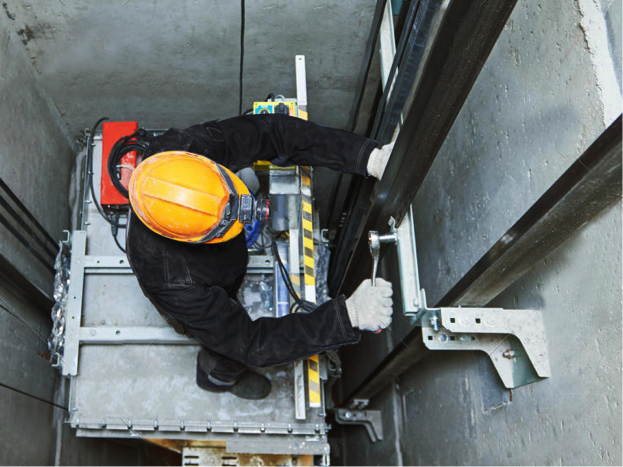
In commercial buildings, elevator systems are used heavily, especially in busy cities like Clearwater, FL. Throughout the day, people in office buildings, hotels, healthcare facilities, and retail centers rely on elevators to go from one floor to another. This frequent usage makes it important to do regular maintenance and inspections on these complex machines. For building owners and property managers, it’s vital to understand elevator maintenance requirements to ensure that their elevators comply with Florida laws.
The Impact of Elevator Modernization in Commercial Property Management
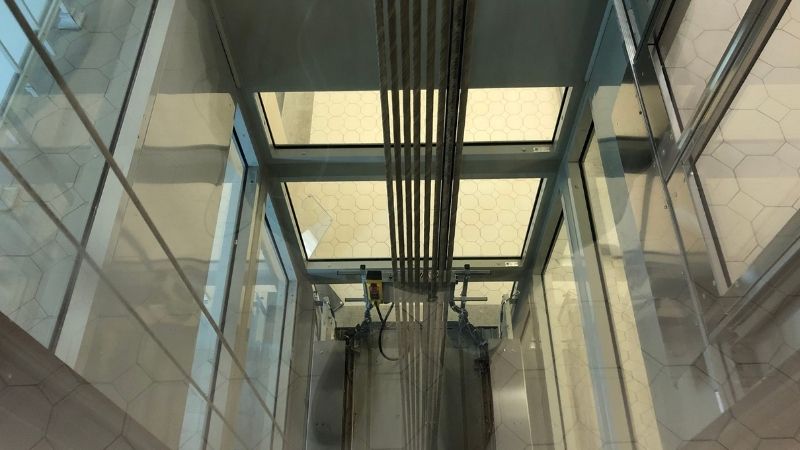
In buildings, elevators affect the experience of people moving between different floors. When these systems age, repairs often become frequent, and tenant complaints increase. In such situations, elevator modernization is a practical solution as it doesn’t require a full system replacement and helps upgrade core components like controllers, door systems, wiring, and cab interiors. With modernization, commercial property managers can improve performance and boost long-term value.
Top 10 Mistakes In Your Elevator Maintenance Plan

Elevators are used day and night for moving safely and efficiently. Whether in residential complexes or commercial buildings, they play a vital role in everyday operations. However, building owners and property managers often underestimate how careful the maintenance plans of these systems need to be. At General Elevator Solutions, we help businesses and property managers create effective and smart maintenance plans for their vertical transportation. Let’s explore the top 10 mistakes commonly made in elevator maintenance plans.
The Most Overlooked Elevator Components Heading Into the New Year
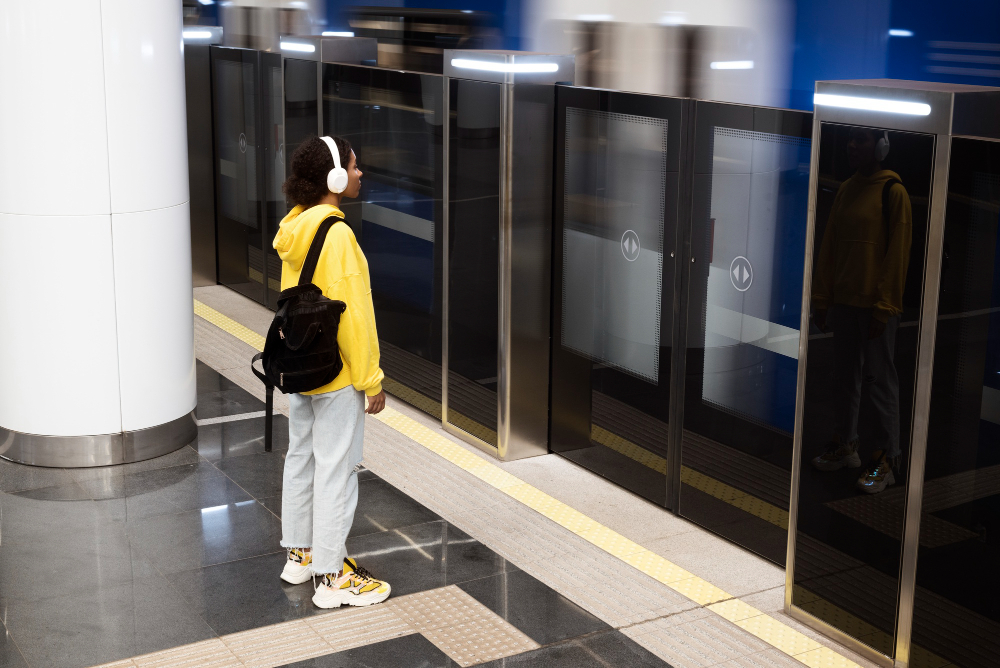
With the new year approaching, building owners and property managers usually focus on major elevator upgrades like updating the control panels, modernizing interiors, etc. While these upgrades are important, there are some other elevator components that get overlooked but also play a crucial role in safety and performance. By understanding these parts better, you can avoid elevator issues in the long run.